

Approach

An integrated approach to working with the conditions that shape leadership systems.

Built over twenty-five years of facilitation in complex, high-stakes environments — from boardrooms to retreats. The same underlying work, in different containers.

Book a Leadership Clarity Call

A 30-minute focused conversation. No pitch.

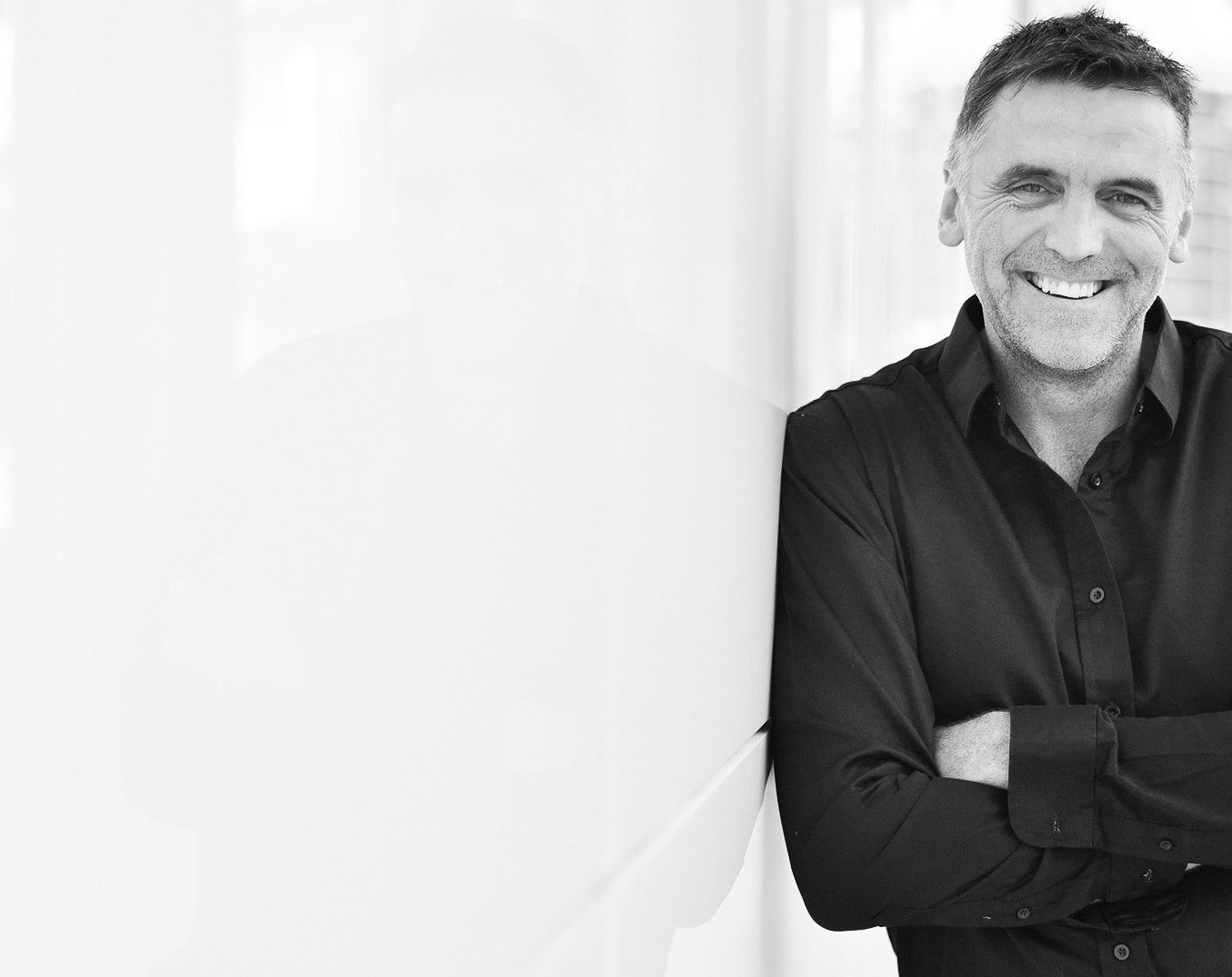
Peter Smith facilitating
The diagnosis

Most leadership development misdiagnoses the problem.

It treats leaders as individuals who need new information — a better framework, a sharper mindset, a clearer mental model. In simple environments, that's enough. In complex ones, it isn't.

What gets in the way of execution is rarely a missing strategy. It's the conditions inside which leaders are trying to think, decide, and act — the conversations being avoided, the patterns being enacted, the somatic state the team is collectively holding, the things the system is asking to be acknowledged and isn't.

The CLEAR Field™ Framework is the structure I use to engage at that level. It integrates psychological insight, systems thinking, and embodied practice into one coherent approach — and it works the same way whether we're in a leadership team intensive, an executive coaching engagement, or a wilderness retreat.

Core belief

Leadership challenges are rarely technical. They're relational, behavioural, and systemic.

Misalignment, low trust, and stalled execution aren't isolated problems. They're signals of deeper conditions inside a team or system — conditions that shape what people can sense, say, and act on in any given moment. Treating them as technical fixes — better processes, clearer goals, more frameworks — doesn't move them, because the issue isn't at the level of content.

CLEAR Field™ works at five layers of that system, simultaneously.

The framework

The CLEAR Field™ Framework.

Five layers of a leadership system. The work moves from the outside in — from the conditions that shape what's possible, to the results that follow when those conditions shift.

C

Conditions

What's actually happening that nobody is naming?

The outermost layer. The hidden dynamics, competing agendas, unspoken expectations, and field of the team. Visible behaviour is shaped by invisible conditions — and those conditions are what a team is enacting whether anyone has named them or not.

When conditions are surfaced, leaders can work with what's actually there, not what they wish were there. This is where most of the real work begins.

L

Language

What conversations are being avoided or diluted?

Strategy is shaped in conversation. Decisions land in conversation. If the conversations the team needs aren't happening — or are happening in diluted, polite, or coded form — the strategy can't move into action.

This layer is about precision: what's being said, what's being avoided, and how directness actually operates between people. When language sharpens, the work of the team becomes visible to itself.

E

Embodiment

How is the team actually showing up — what state is the system in?

Decisions made by a system in fight-or-flight aren't the same as decisions made by a settled system. This layer is about the collective somatic state — individual presence, nervous system regulation under pressure, what the team is holding in its body.

The body of the team determines what's actually possible to see, hear, and choose. This is where re-sensitisation happens.

A

Alignment

Are we genuinely aligned — or just being polite?

False alignment looks like agreement in the room and fragmentation outside it. Genuine alignment holds when the room ends. This layer is about distinguishing real agreement from compliance, surfacing assumptions before they become action, and getting clear on who owns what.

Without this layer, decisions feel made and don't translate.

R

Results

What changes in real terms?

Results are the read-out of the system, not the input. They reveal whether the outer layers are working: improved execution, stronger accountability, sustained behavioural change that holds when the facilitator leaves and the leader steps back.

The instinct under pressure is to push directly on Results — and that almost never works, because Results are downstream of everything else.

The key insight

Most organisations try to fix Results directly. Real change happens when you work from the conditions inward.

The instinct under pressure is to push on Results — set new targets, restructure, hire harder. That rarely works because Results are the output of the system, not the input.

In the CLEAR Field™ model, change at the centre requires shifts in the outer layers — the Conditions being worked with, the Language being spoken, the Embodiment being practised, the Alignment being earned.

Get the outer layers right and Results follow. Skip them and Results stay stuck — no matter how much capability you add.

What this looks like in the room

The same underlying work, in different containers.

Whatever the format — boardroom, coaching engagement, retreat — the work moves through the same five layers. Different conditions ask for different emphasis, but the underlying frame holds.

In the boardroom

A senior team gathers after Q3 misses target. The instinct is to push on Results — new KPIs, restructure, hire harder. Working from Conditions inward, the conversation becomes: what is everyone seeing that nobody has said yet? Which decisions feel made but haven't translated? When those layers shift, the path forward — and who's accountable for what — becomes obvious.

In a coaching engagement

A founder is making the same step-change decision for the third quarter running. We don't need another decision-making framework. We work with what's actually happening when the moment to commit arrives — the somatic contraction, the conversation she's having with the team that isn't the conversation she's having with herself, the agreement she keeps making that the system isn't backing.

In a retreat setting

Eight executives, three days, complex landscape. Office-hours patterns — narrowed peripheral vision, fast decisions, constant low-grade arousal — soften. The body of the group settles. Conversations that wouldn't surface in a meeting room surface here. By day three, leaders aren't "thinking strategically"; they're seeing what was always there, and acting from it.

"Peter worked with the group in many ways but three I would highlight. Emotional Intelligence — he helped the group reflect into their own experience, making the work powerful rather than abstract. Mindfulness — he invited the group into exploration through his own vulnerability, not as a 'right' answer but as an invitation. Coaching — he created an experience with the group having a position of knowledge yet challenging them to push deeper. It was a pleasure to learn and work with Peter."
— Lawrence Philbrook, Director, Institute of Cultural Affairs Taiwan

If something here resonates, the next step is simple.

A Leadership Clarity Call is a structured 30-minute conversation. We'll look at where you are, what's getting in the way, and whether the underlying work is useful to you.

Book a Leadership Clarity Call

A focused 30-minute conversation.
peter@corporatetrainer.com  ·  +61 418 378 442